From Fear to Respect: An Island Man’s Lifelong Mission to Protect the Caribbean Sea, One Dive, One Sting Ray, and One Shark at a Time
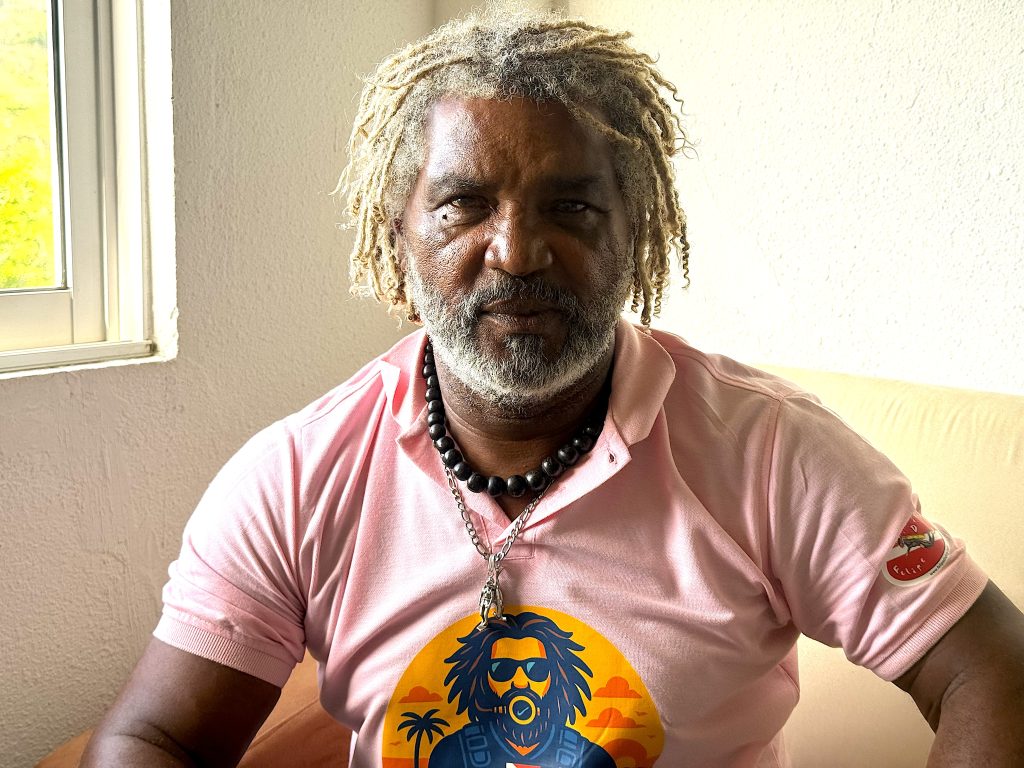
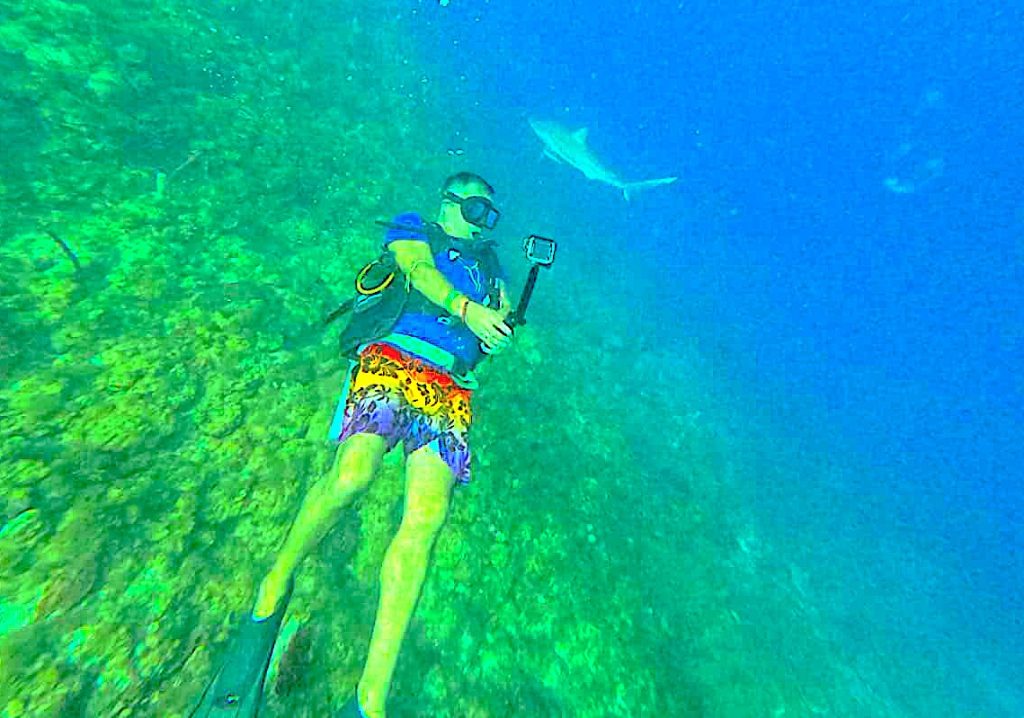
Felipe Cabeza is more than a Dive Master Instructor; he is a force of nature and the undisputed guardian of Providencia’s coral reefs and marine life. Known by the community and travelers alike as the ‘Shark Whisperer,’ Felipe has dedicated his life to protecting the Caribbean Sea, turning a deep-seated island fear of sharks into a mission of respect and conservation. His unique, hands-on philosophy ensures divers are not just tourists but active participants in the marine world, earning him rave reviews from clients who praise his unparalleled knowledge and passion.
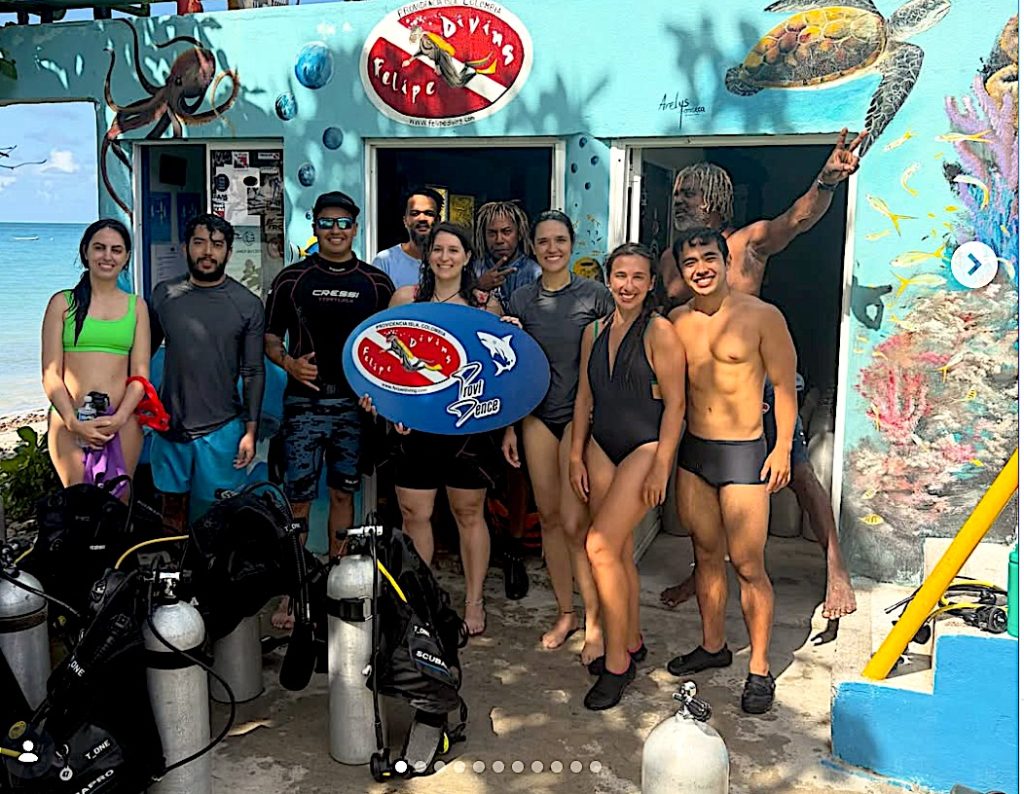
- Darío Fernández calls him “an amazing man, diver and explorer,” stating that diving with his team is “one of the best dives in my life. Recommended 110%.”
- Lipsis Tamara Zabala simply proclaims him “the best of all… excellent professional.”
- Numidia Salas Blanco notes his profound impact: “His professionalism and kindness, you feel connected from the first moment… The knowledge that Felipe has of that Sea is unique, and that makes him special.”
Join us as we talk to Felipe about island life, his fight to protect the reef from invasive species, the lessons he learned from a devastating hurricane, and the true meaning of being a guardian of the deep.
Dante (Interviewer): Before we talk about the ocean, I want to know a little more about Felipe the man. When you’re not working at the dive shop, what does an island man do to relax?
Felipe (Interviewee): I am very dedicated at the dive shop; it is my life—the shop and being in the water. When I have free time, I go to my little plot of land, my finca (farm).
Dante: A farm?
Felipe: Yes, a farm with forest, plants, and bananas. It’s a hobby for relaxation, a way to connect with the earth and myself. It’s only a two-minute walk from my house. Taking care of the plants—watching them grow, cleaning, nurturing, and feeding them—is discipline, and I would also say it feeds the soul. I started this as a child; my grandfather had his own plot and taught me how to work and plant the land.
Dante: And were you born here on the island?
Felipe: Yes.—–Island Life: Music and Food
Dante: That’s great. What music do you listen to at home, and what is your favorite local dish that you could eat every day?
Felipe: I mostly listen to reggae and soca. This music comes from our Caribbean and African heritage, influenced by the pirates who settled here. Soca is like a faster reggae, focusing on the percussion, similar to Garifuna music in Honduras or Livingston.
Dante: Do you have a name for that dish?
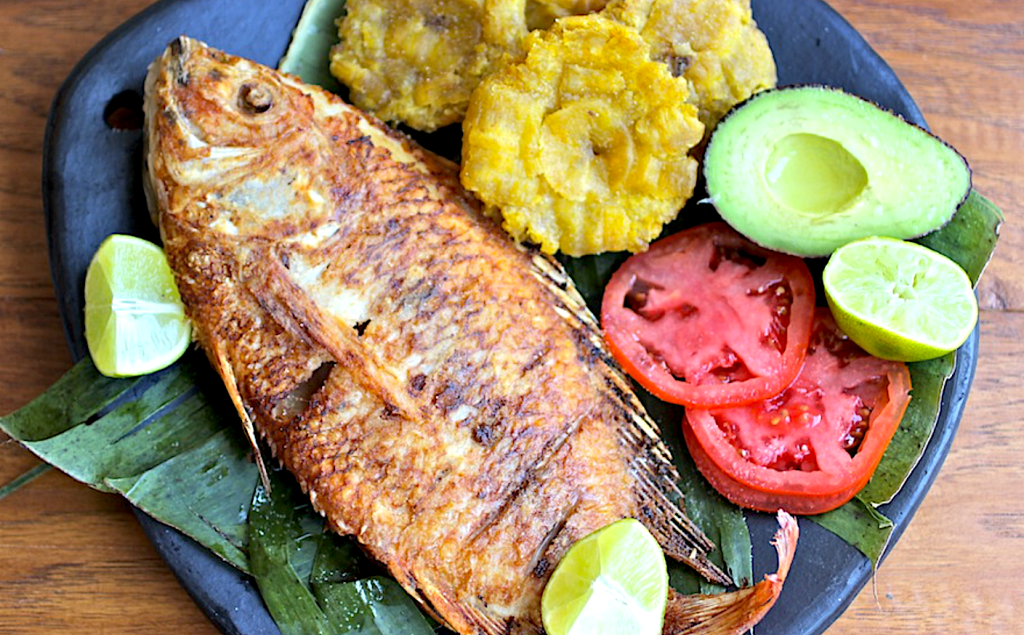
Felipe: My favorite dish is fried and cut fish. You cut a fish, fry it, and eat it with onions and other sides. It’s called pescado cortado y frito, a typical island dish that most men enjoy making. I eat fish every day: morning, noon, and night. I eat fish three times a day and eight times a week!—–The “Shark Whisperer”
Dante: Let’s talk about hidden talents. People know you as the ‘Shark Whisperer’. I’ve heard from the community, like Derek from Montreal, who calls you the ‘Shark Whisperer’. Do you have a hobby or interest that might surprise your guests?
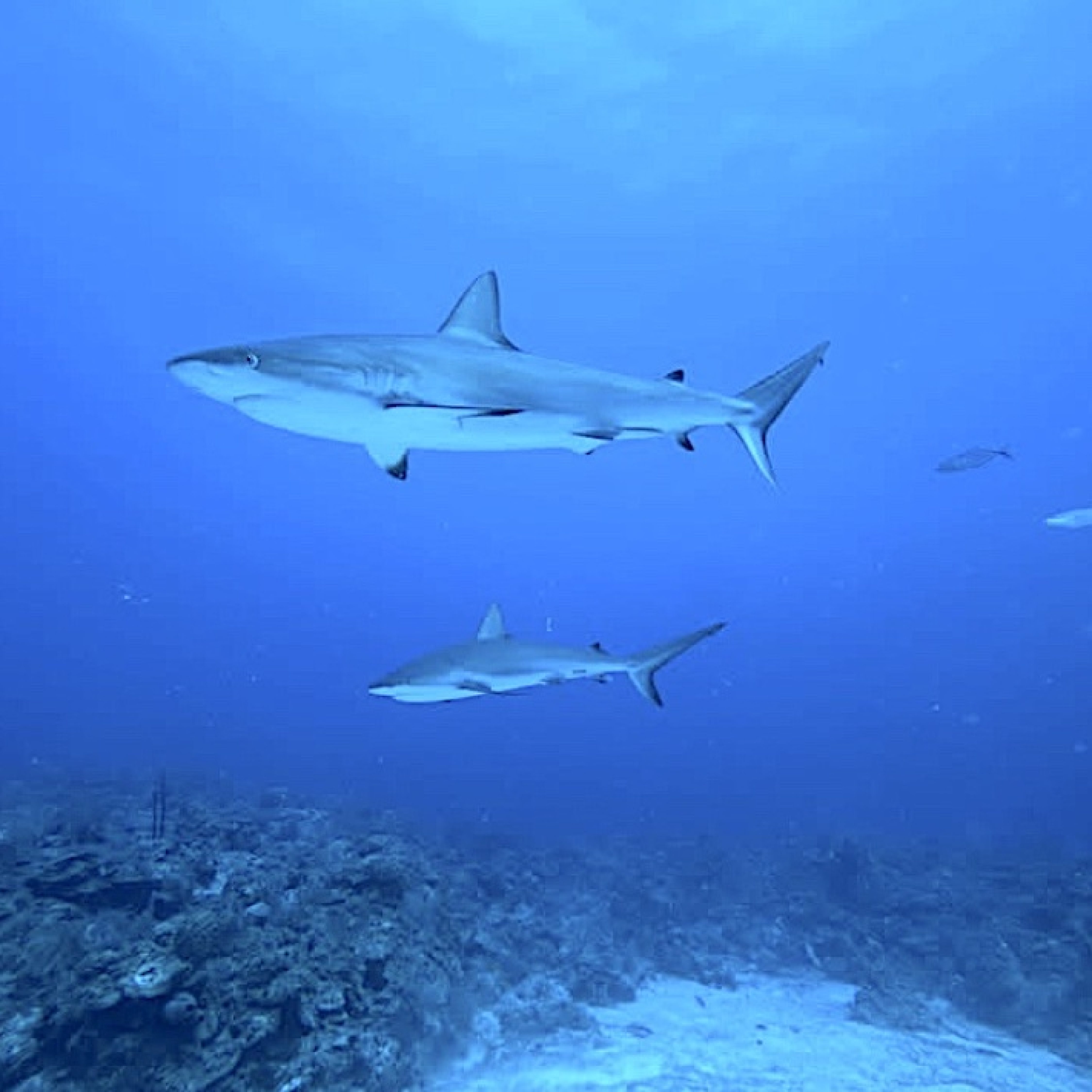
Felipe: When I was a child, I was very afraid of sharks. We were told frightening stories, like having to hide behind a wall or not putting your arms out too far because a shark might get you. Everyone here is afraid of the shark; if you see one, people are scared. We have a deep-seated fear.
Dante: A deep-seated fear?
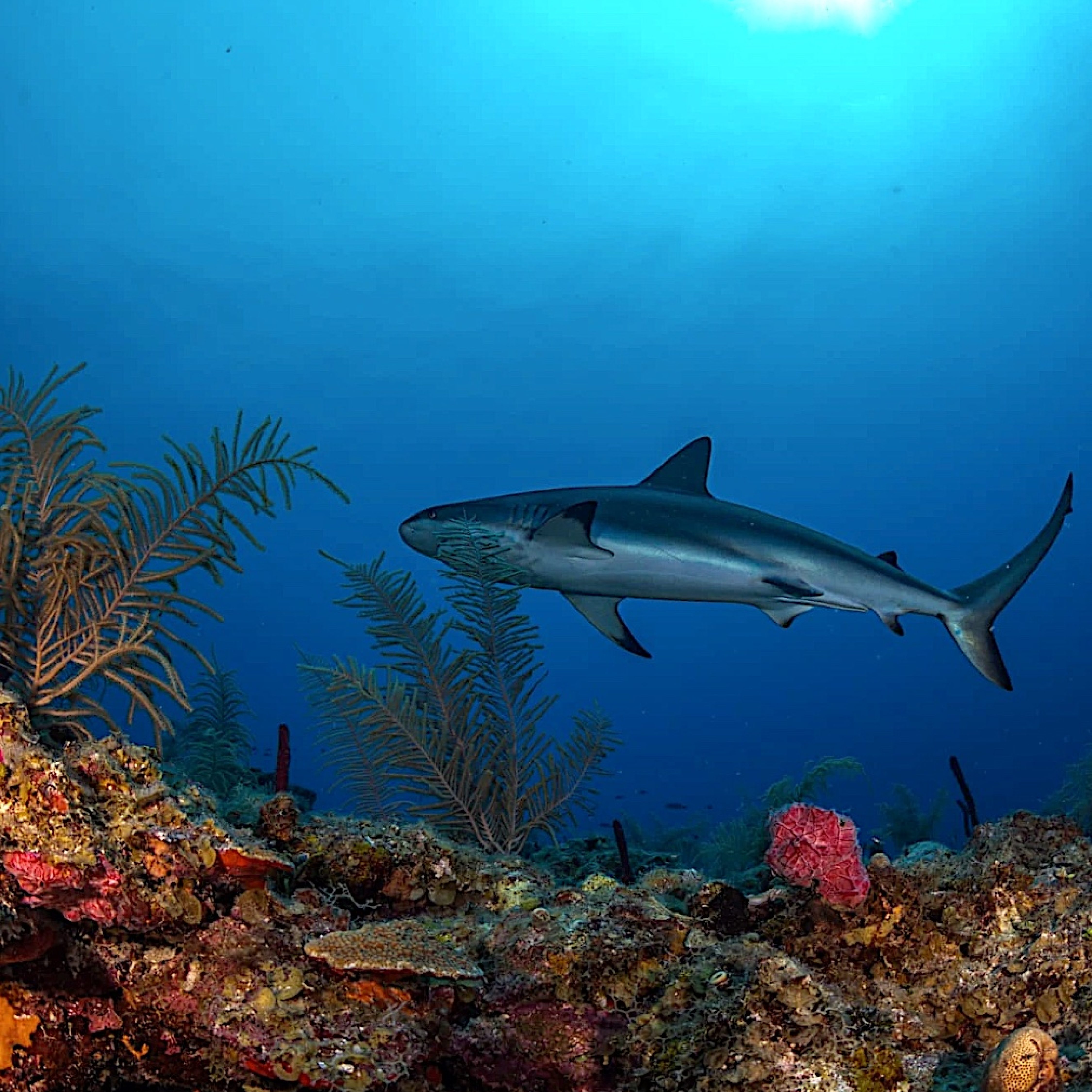
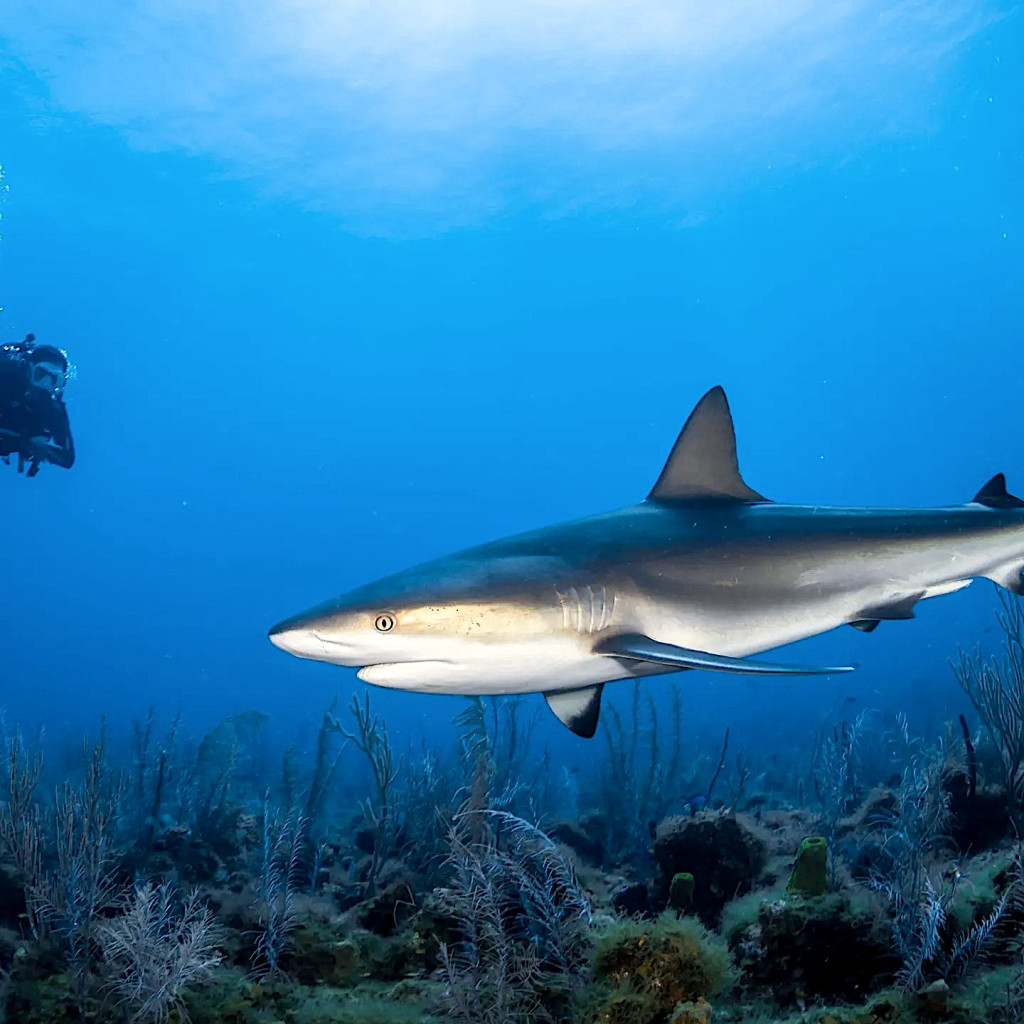
Felipe: Yes, a fear, fueled by movies like Jaws 1, 2, 3. Diving, boats, and plans all seem to make the shark look worse. But when I grew up and started spending time with them while out on boats, I realized they wouldn’t bother you first. I read terrifying things about sharks, but after traveling with divers who were with them, I learned that you don’t see a shark without it doing something to you. I gained knowledge simply by growing up with them and seeing them every day. You have to learn their behavior—when they are aggressive and when they are not. Now, I watch, study, and communicate with the sharks every day. You treat them, you eventually understand their behavior, and you gain respect, which they return.
Dante: Interesting. So it went from being a fear for most islanders, as you said, to you understanding that it’s all about respect and knowing their behaviors?
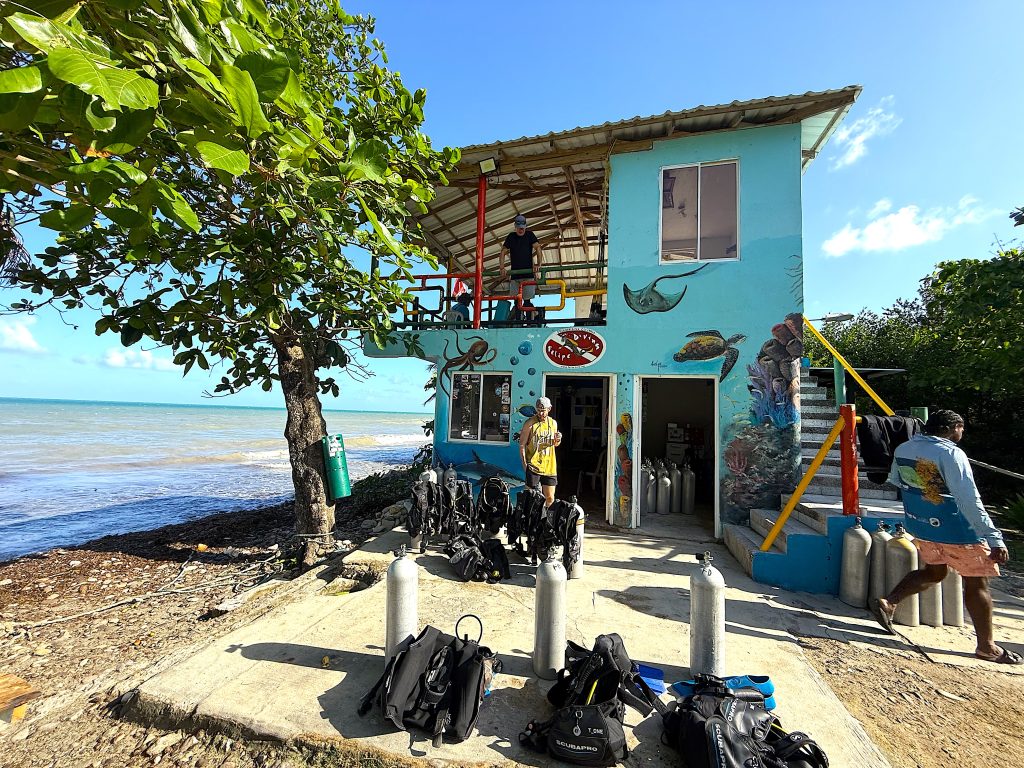
Felipe: Many people only hear that the shark is dangerous; they repeat it without ever seeing one. When you start working with them, seeing them, and getting to know them, you truly understand. I prove this every day with my clients. They often tell me they are afraid of sharks. I ask if they truly know anything about them, and then I tell them, “Let’s dive with the shark, and at the end of the trip, you tell me something about the shark.” The biggest problem is that people want to touch the shark. When we start diving, I tell them not to, but after the shark passes once or twice, they feel confident and thrilled, and they try to reach out to feel it.—–Formed by the Sea
Dante: Let’s talk about the cultural adventure. In Providencia, the sea is everything. What is your oldest memory of the ocean, and how were you taught to respect the water?
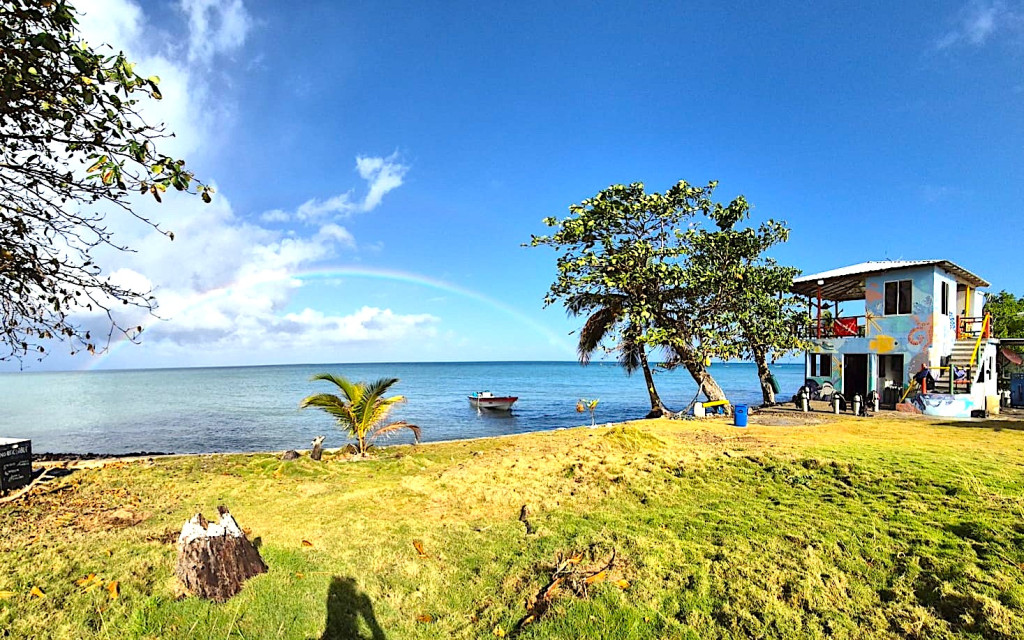
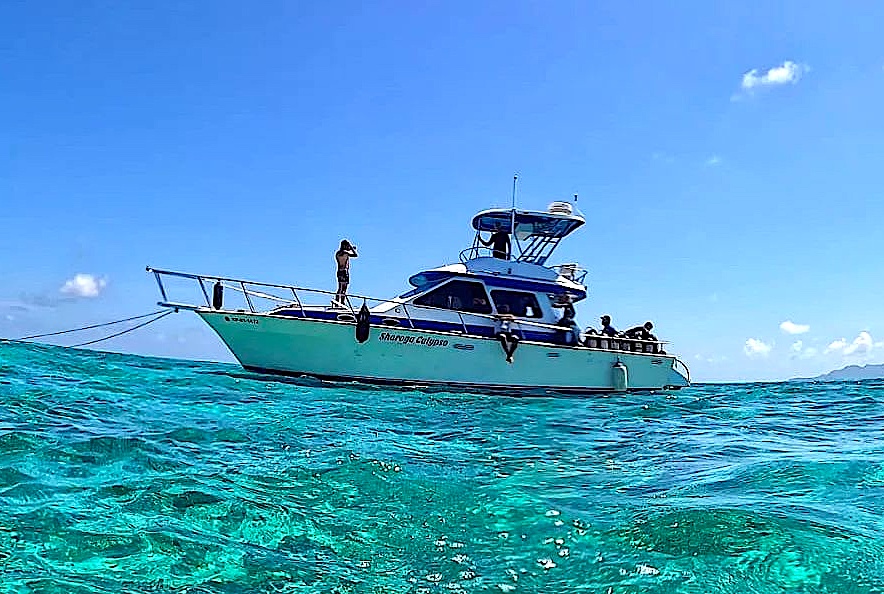
Felipe: When I was a child, before I started working, I would go out with my grandfather, who was a wise man of the sea and the land. He taught me how to work in the ocean, including how to read the tides and use a fish pot—a small box placed in the ocean at night to catch fish. I admired him because he would throw out four or five pots one by one without a buoy or any marker. He would use references, like the wall and the land, to navigate. The next day, he would simply throw a line from the boat and pull them back. He taught me so much about traveling and navigating the sea using references like trees.
Dante: That’s what you talked about—how native populations and earlier civilizations use different types of coordinates, right? You look at the stars or the contours of the land. It’s something we don’t teach children today; we have GPS.
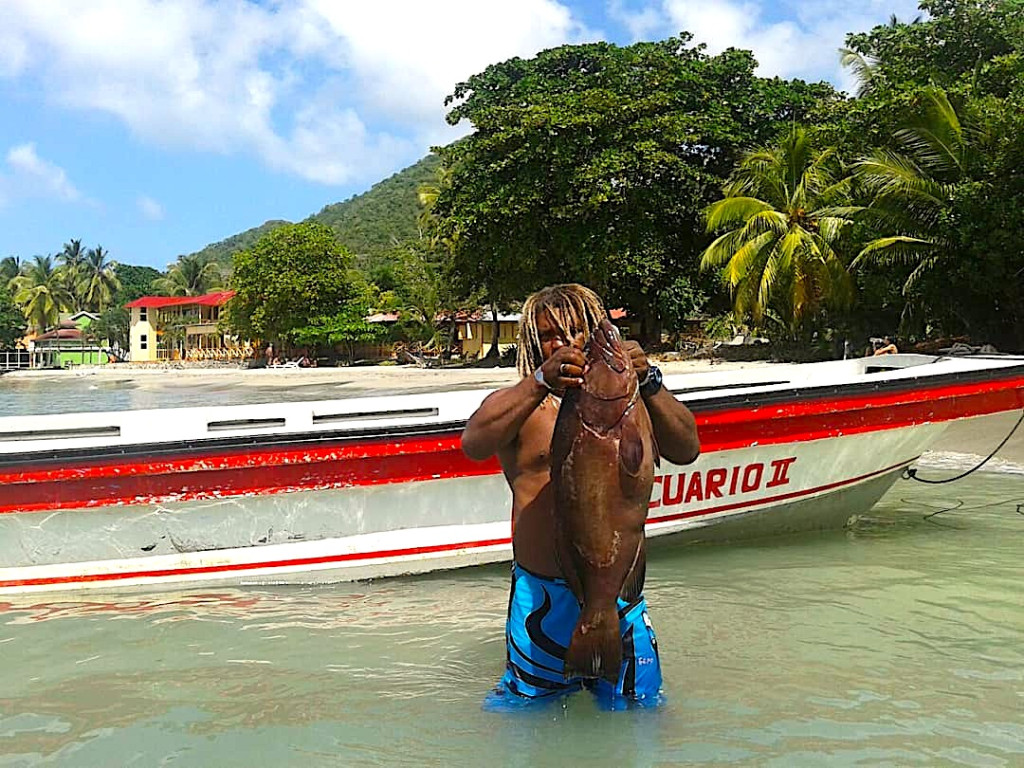
Felipe: It’s easy. I try to teach the people who work with me how to navigate to a dive site without technology, because if they don’t have GPS or battery, they can’t go. It’s a simple skill, but they need to take the time to learn it.—–Heroes and Mentors
Dante: Every hero has someone they admire. Before you opened your shop in 2003, who were your heroes, and who taught you the secrets of the sea? You mentioned your grandfather, but…
Felipe: My true hero of the sea, besides my father, is Ricardo Steel from Santa Catalina. He was a friend, along with Eusebio Webster, who is still alive. I started going out with Ricardo Steel while I was still in school. He was the first man to take me out. When we went looking for the crossing (a spot in the water), he would look up and down and tell me, “Felipe, do you see that reference here? There’s a reef around here, and you see the crossing here.” When we arrived, the crossing was exactly where he said it would be. I would wonder, “God, how does he do it?” And he would tell me, “Felipe, you have to know, because when you look, you have to see the crossing.”
Dante: Was he a fisherman or a diver?
Felipe: He was a fisherman. We would go out on a sailboat, and he could take me from one reef to another. He knew exactly where every reef, every side, and the crossing was.
Dante: He was older than you, but how did he take you under his wing?
Felipe: My brother used to fish with him. When my brother couldn’t go, Ricardo would look for someone else, and that’s how our connection began. We enjoyed each other’s company and went together. My ultimate respect is for Ricardo. I respect figures like Jacques Cousteau, but my real respect is for Ricardo.—–The Birth of a Dive Center
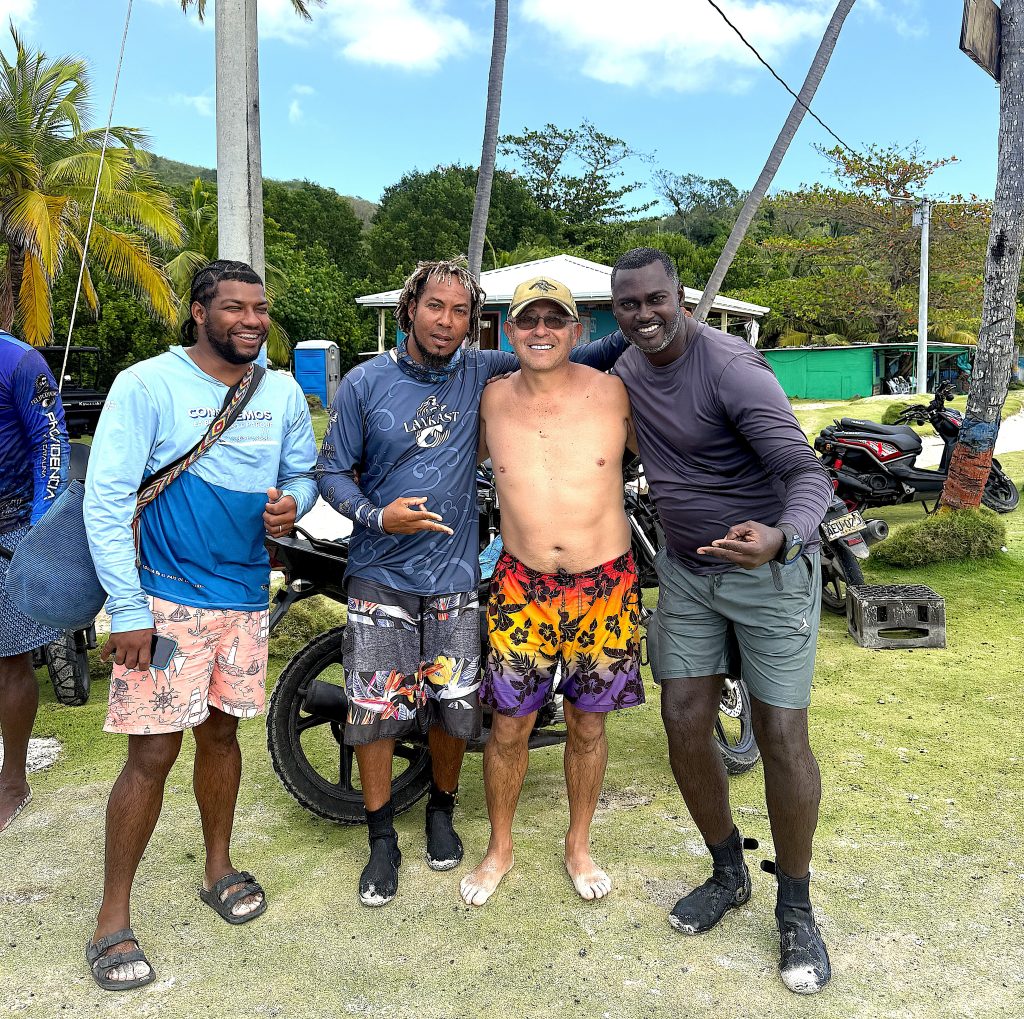
Dante: There is always a moment when passion becomes a life’s mission. When did you realize you needed to have a dive center and share the world of water with others?
Felipe: It was around 1969 or 1970. It started when a man named Sonia Arenas, who had a cabin in Agua Lúcea, wanted to dive with tanks, which were not readily available then. We got tanks from a man with a compressor, who used red tanks for fishing, and gave them to another man named Gustavo. One day, I went diving with my younger brother using a tank. Gustavo asked if I wanted to dive, and though I didn’t know anything, he offered to teach me. He explained that it was like freediving: I had to equalize and could descend fast and be normal. We went down to about 18 meters. On the bottom, I felt very good and started finding lobsters, feeling the same excitement as freediving, but I panicked and came out. I realized I was fearful. The next week, Gustavo returned, and I started learning about the business side. They visited three or four times a year, inviting families. When I saw six or seven families coming, I realized this would be a good thing and grow fast. Gustavo Glauser and Sunny asked me if I wanted to be an instructor. I said yes, and in 1977, they sent me to Bogotá for eight months to study because I knew nothing about diving.—–Philosophy on Responsibility and “No Frills”
Dante: Let’s discuss the “no frills” reputation. Some travelers call you a bit grumpy or say your shop has “no frills” because guests have to carry their own gear. Is this your way of teaching people to respect their work and the ocean?
Felipe: When I started diving, the philosophy was simple: if you want to dive, you have to do everything for yourself. If you can’t do that, you can’t be a good diver. In those days, I put on, checked, took care of, and carried my own equipment. We didn’t have anyone to do it for us; all divers handled everything themselves. I don’t know if this is being grumpy or being elegant—it’s about taking responsibility. Elegance is doing something well and with style. If elegance means having someone put on your equipment, then I don’t want to be elegant. I want to be elegant by doing my job well. The world moves fast, and people think being self-sufficient is too slow, so they prefer the big dive industry. When you dive with me, you are responsible for your gear. If I give you a tank and you get to the dive spot and say, “Felipe, I have 500 PSI,” whose fault is that? You have a responsibility to check that you have enough air. Everyone has responsibility in diving, and your responsibility is to ensure your equipment works well.—–A Family Under the Sea
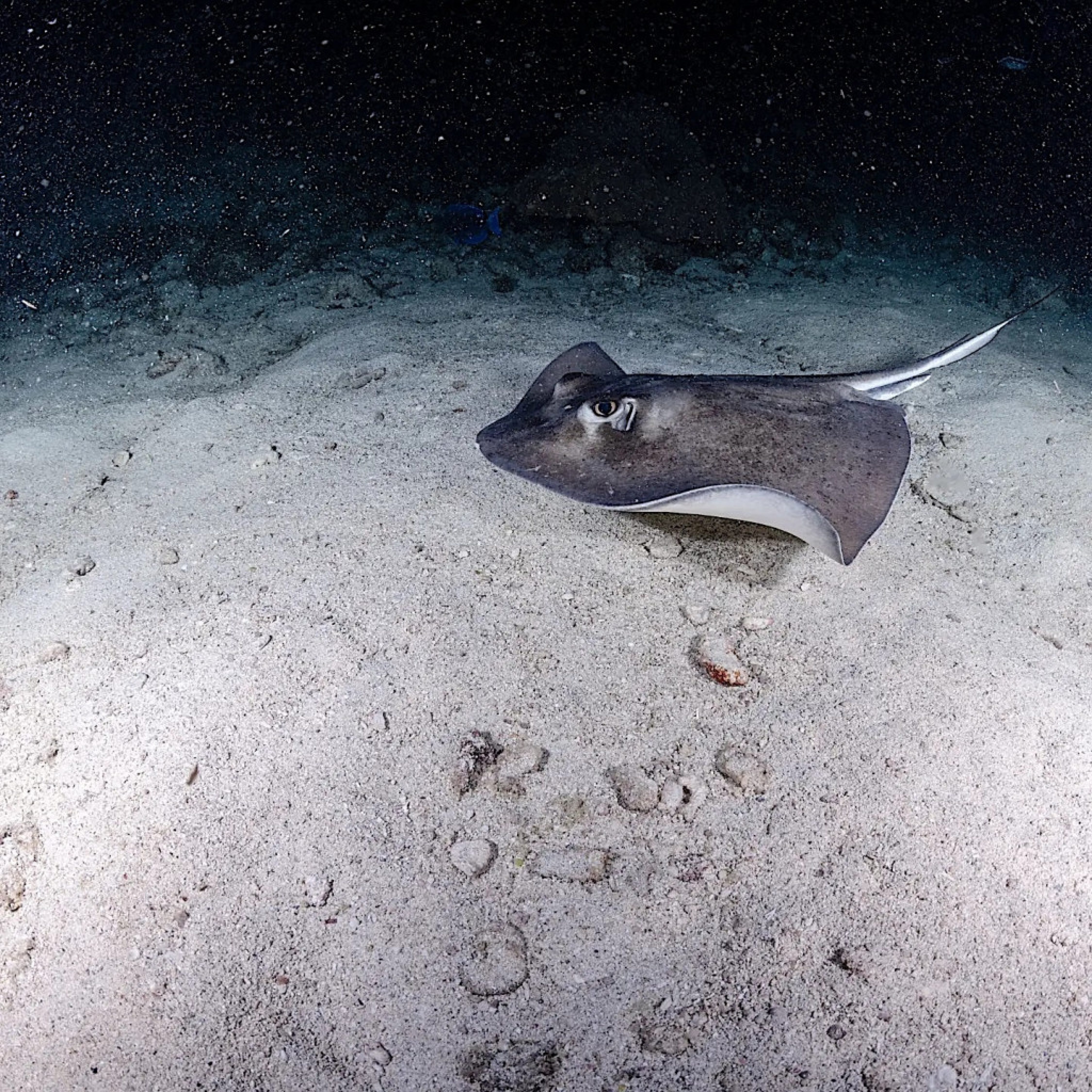
Dante: Tell us about the relationship you have with stingrays. What do you understand about these animals that the rest of the world misunderstands?
Felipe: I think they understand me more than I realize. We see each other every day. When I go to dive, they come and follow me, like a child. I feel they know as much about me as I know about them, because they arrive immediately when I get to the spot. It’s like a family: you understand who is good and who is bad when you grow up together. I see them daily, watch their behavior, and try to remember it.
Dante: So you have a relationship with these friends?
Felipe: Yes, I feel they are friends, and I am sure we have a relationship. Sometimes when I feed them, one wants more than the other. They understand me and follow me well.—–Environmental Stewardship
Dante: As an environmental guardian, you actively hunt and cull invasive lionfish. Do you feel it is your personal duty to protect the balance of this reef?
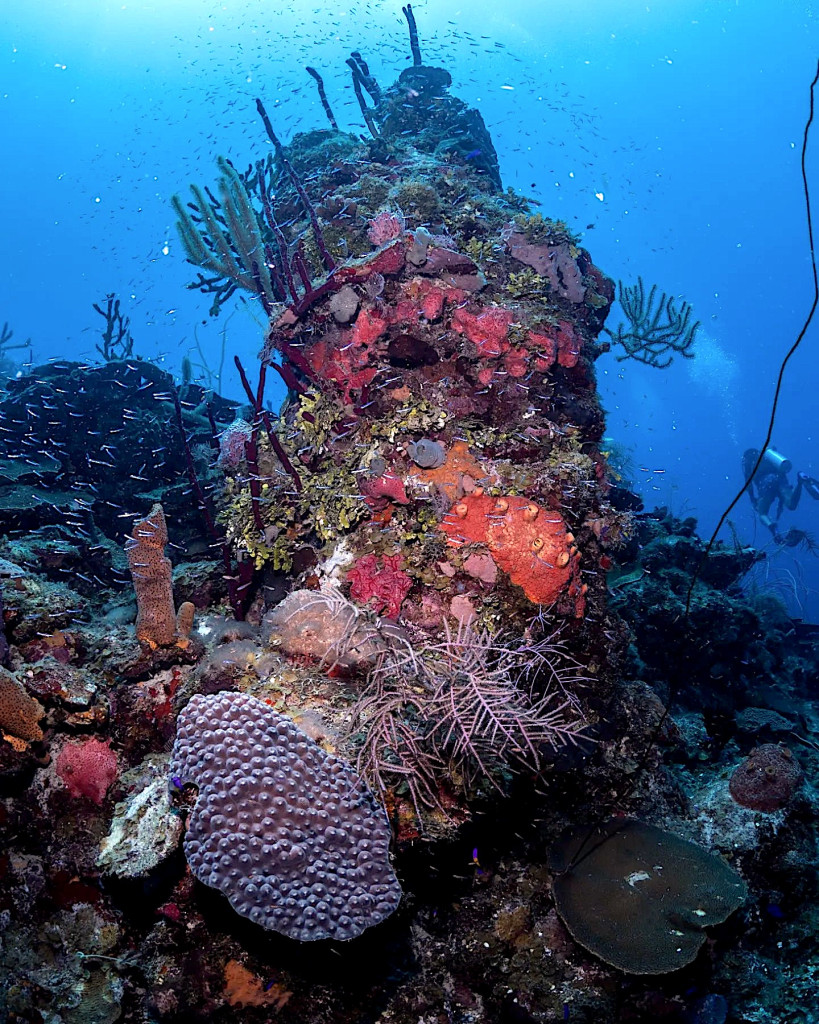
Felipe: I don’t feel it is a personal duty; it’s like caring for a garden. The reefs guard my money, my life—everything. If I don’t take care of it, my life is just talk. Killing lionfish is my responsibility because they are an invasive species. If we don’t eradicate or minimize them, they will consume the reef, and everything will be gone once they reproduce. I constantly fight with people here who criticize me for raising sharks while they go fishing and try to catch them. We saw lionfish about 12 or 13 years ago, and before that, catching a shark was very rare. When we started killing lionfish, the sharks started coming back. I then realized I needed to teach the sharks to eat the lionfish. I tried to teach them to chase the lionfish, even leaving some alive, but it didn’t work. A shark is an animal that feeds by sight. If a shark is healthy, it immediately avoids fish with spines. This went against their animal instinct, so we had to feed the lionfish to the sharks ourselves.—–The Power of Faith After the Hurricane
Dante: In 2020, the hurricane destroyed 90% of Providencia. In the days following that disaster, where did you find the strength to start rebuilding?
Felipe: After the hurricane, it was very difficult, especially getting back in the water. My strength didn’t come from me; it came from above. I was surprised when I returned to the lagoon—I couldn’t imagine the damage would be less severe than on the island. It looked like a nuclear bomb had ruined everything. The magnitude of the disaster on the island was immense, yet we only had about four deaths. People say faith is what matters; those without it wouldn’t be here. I can’t explain how everyone overcame it. Everything was exposed; there was no privacy. A week after the hurricane, when I first came to Freshwater, I could find my reef, but the main reef was all wreckage. There were no houses, no stores—nothing to mark your way. I sat down and cried, as everyone did, but I felt it was the next opportunity to get better. From the ashes, we will rise.—–A Lasting Legacy
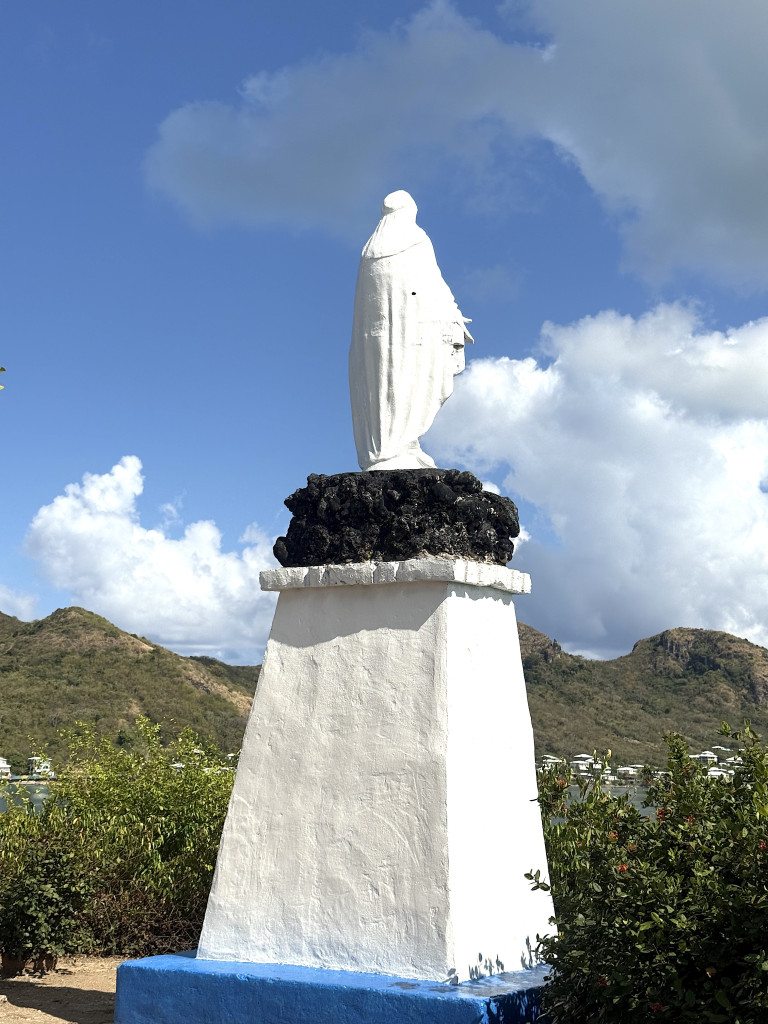
Dante: In 2008, you helped place the Christ statue to protect the island. Looking back now, especially after the hurricane, what does that statue mean to you today?
Felipe: I am very devout. A man from Bogotá, who wanted to dive, gave me that statue after I asked him for a Christ. I wanted to place it there to keep divers safe and watch over everyone in the sea. When we first placed it, Coralina [the environmental agency] wanted me to remove it, and I fought them until the end. Today, that statue has great meaning for me. Everyone who comes here sees the statue and says, “Felipe.” That’s the word on the whole island.
Dante: “The statue of Felipe,” that’s great.
Felipe: Yes. If you speak badly about the shark, people will say, “Felipe.” Someone has to do the difficult work. Everyone here is happy to have the shark, but nobody wants to help due to fear.—–
Dante: Thinking about the future, you’ve been part of scientific voyages and international fishing programs. What is the most important lesson you want to leave for the next generation of fishermen?
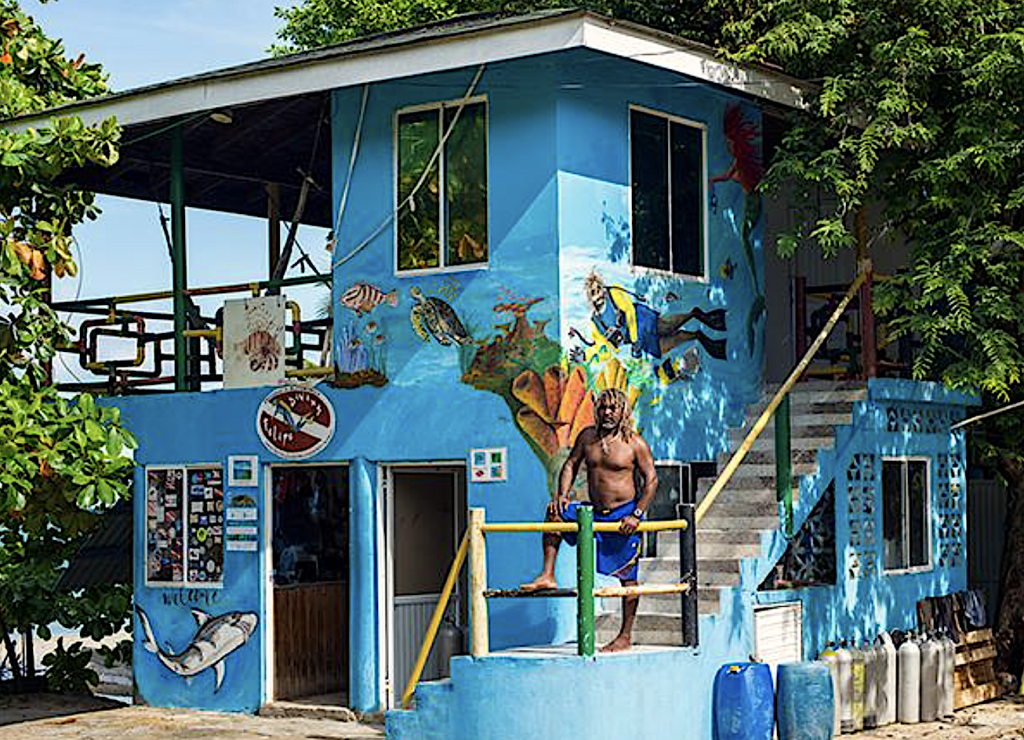
Felipe: I would like them to understand what they have, how to take care of it, and how to improve it. Participating in international fishing and scientific programs means learning more about coral. I never studied coral formally, but through participating in educational and research programs, you learn more. The more you know about something, the more you will like it. I want to see the next generation do better than me by studying coral and nature so they can better protect it. Everyone says the island is beautiful, but my mindset is how to keep it that way.—–
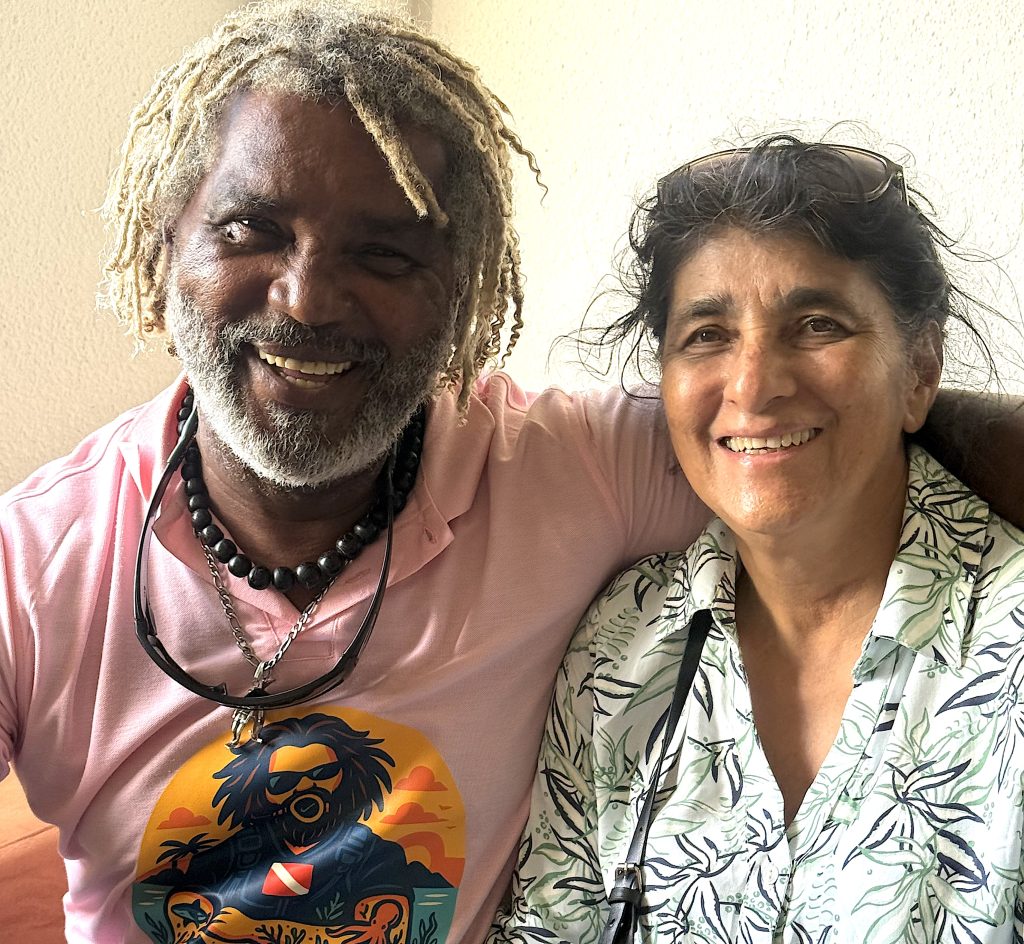
Dante: Our final question is your closing thoughts on the ocean. If the ocean could speak to you now, after all these years of exploring and protecting it, what do you think the ocean would say?
Felipe: Multiply Felipe Cabeza.
Dante: Multiply Felipe Cabeza. So we need a cloning machine.
Felipe: Yes, that’s what I would say.
Ready to Dive with a Living Legend?
Diving with Felipe is more than just a tropical excursion; it is a transcendent, humbling masterclass in marine respect. He doesn’t just show you the ocean—he invites you to become part of his underwater family. His crew is truly second to none, blending absolute professionalism with the authentic soul of the Caribbean.
If you are traveling to Providencia, you must experience the abyss through the eyes of the Shark Whisperer. Do not miss your chance to dive with this pioneer before he eventually retires to his finca.
Don’t just be a tourist. Step up, take responsibility for your gear, and prepare for the dive of a lifetime.
Book Your Adventure with Felipe Diving Center Today:
- 🌐 Website: felipedivingshop.com
- 📸 Instagram: @felipediving
- 📘 Facebook: Felipe Diving
- 💬 WhatsApp / Phone: +57 317 372 2715
- ✉️ Email: info@felipedivingshop.com
