A powerful Argentine-Guatemalan alliance is proving that the future of AI and innovation in Latin America is built on hard results, cross-border synergies, and grassroots education.
“Twenty years ago, the exchange rate was 7.90 Quetzales to one U.S. dollar. Today, it stands at 7.50,” Juan Mini announced to the room. “This demonstrates that Guatemala is economically positioned with a solid foundation for investment.”
Mini, the visionary founder of Campus Tec, delivered these welcoming remarks to kick off a high-stakes networking mission in Guatemala City. A decade ago, he launched a first-world infrastructure project in a developing nation with a bold premise: to build the largest technological hub in Central America. Affectionately dubbed “Silicon Valley with Frijoles,” Campus Tec was designed to be the epicenter of a regional tech revolution, bringing together cutting-edge infrastructure, venture capital, and deep university alliances.
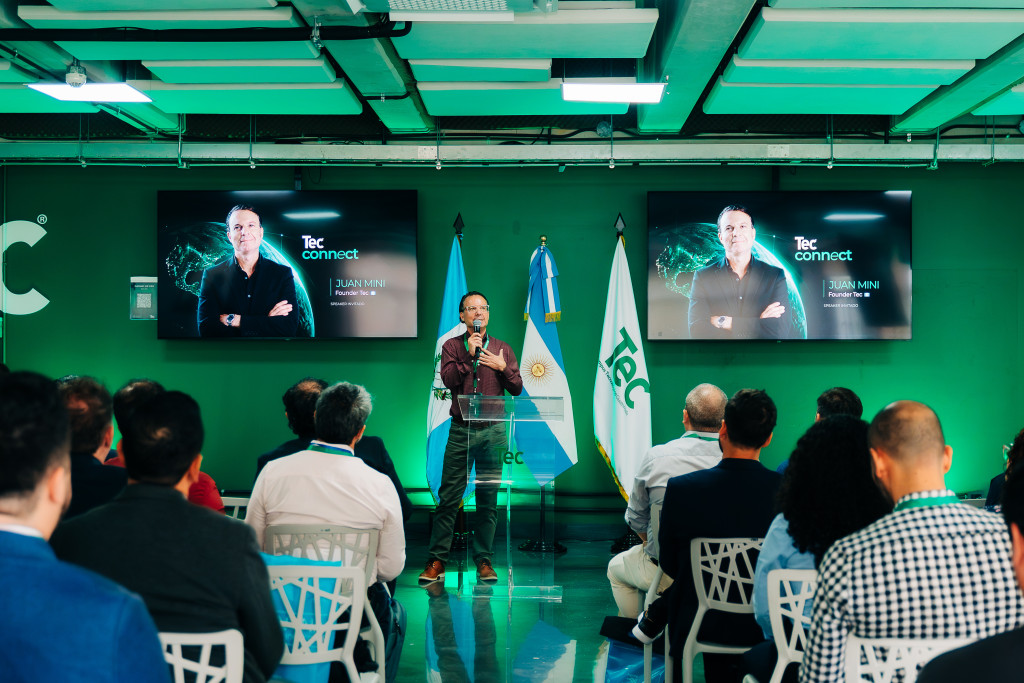
This past Tuesday, September 28th, that vision was operating at full throttle. Between 10:00 a.m. and 1:00 p.m., the campus became the launchpad for a significant cross-border digital alliance. A delegation of 15 top-tier Argentine technology companies specializing in areas from AgTech and FinTech to Cybersecurity, HealthTech, Retail, and eCommerce converged to forge strategic connections with Guatemalan partners.
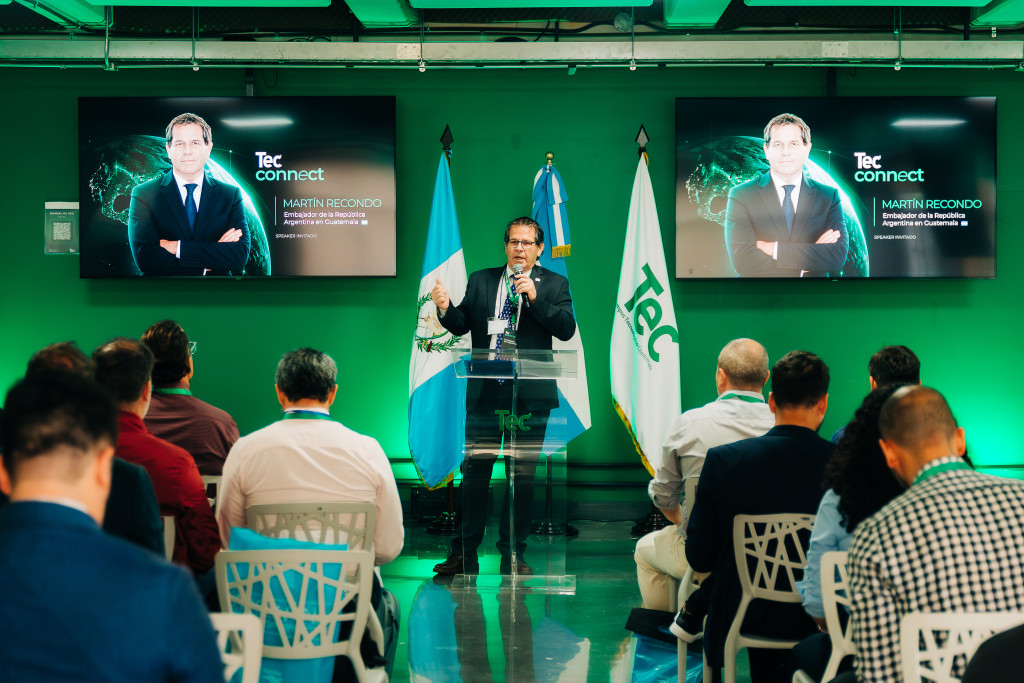
Argentine Ambassador Martín Recondo set the tone, emphasizing that this was more than a transactional exchange. “We have our doors open to establish trade ties with Guatemalan entrepreneurs,” Recondo stated. “Our delegation’s objective is not only to culturally learn how business is done in Guatemala and Central America, but also to create bilateral opportunities for economic prosperity for our countries.”
As an entrepreneur exploring AI and blockchain infrastructure, I pay close attention to how these international tech conversations unfold. Too often, industry summits are bogged down by buzzwords and empty projections. But the breakout sessions at Tec Connect—including the track I attended dedicated to AI and technological innovation—cut straight to the core of utility and implementation.
During the session, moderated by Jose Alfredo Suarez of the agribusiness drone company Aereobots, the narrative was firmly anchored in accountability. Addressing the diverse group of founders and developers, Jose Ignacio Trajtenberg, CEO and Co-Founder of Xcapit, provided a powerful, refreshing dose of candor.
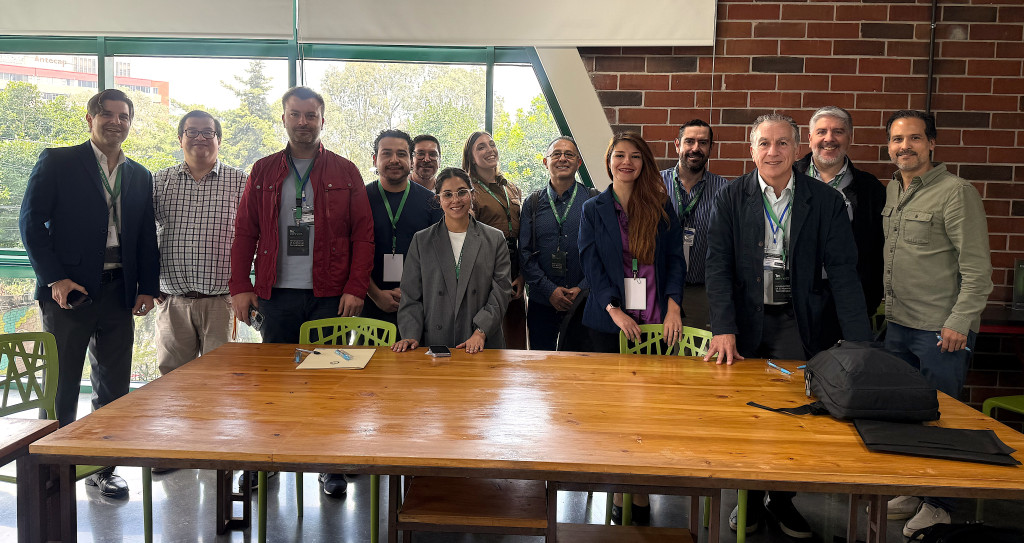
“Today I lead Xcapit, where we build AI, blockchain, and cybersecurity infrastructure validated by UNICEF, the IDB, and governments across several countries,” Trajtenberg explained. “But my real conviction is different: the tech industry has a lot of hype and very little real translation into results. We measure every implementation we build by what it actually changes—efficiency, revenue, competitiveness, inclusion—not by what it promises.”
He closed with a direct, compelling invitation: “If you work at a company, a government, or an organization that needs to move from the promise of technology to the evidence of it, let’s talk.”
That pragmatic approach resonated deeply with the Guatemalan attendees, including Gustavo Catún, who represented SIASA—a company rooted in the TEC ecosystem specializing in electromechanics, telemetry, and electronic security. As the discussion unfolded, the focus naturally shifted to the critical issue of data sovereignty in the age of generative AI.
“Participating in this session confirmed that in the market there is space for everyone to use innovation to resolve problems,” Catún noted, before echoing the room’s growing cautious optimism. “The emphasis on artificial intelligence made us deeply aware of the importance of controlling the information we share. It reminded us of the need to protect our knowledge and not hand it over completely to systems whose final destination we do not know.”
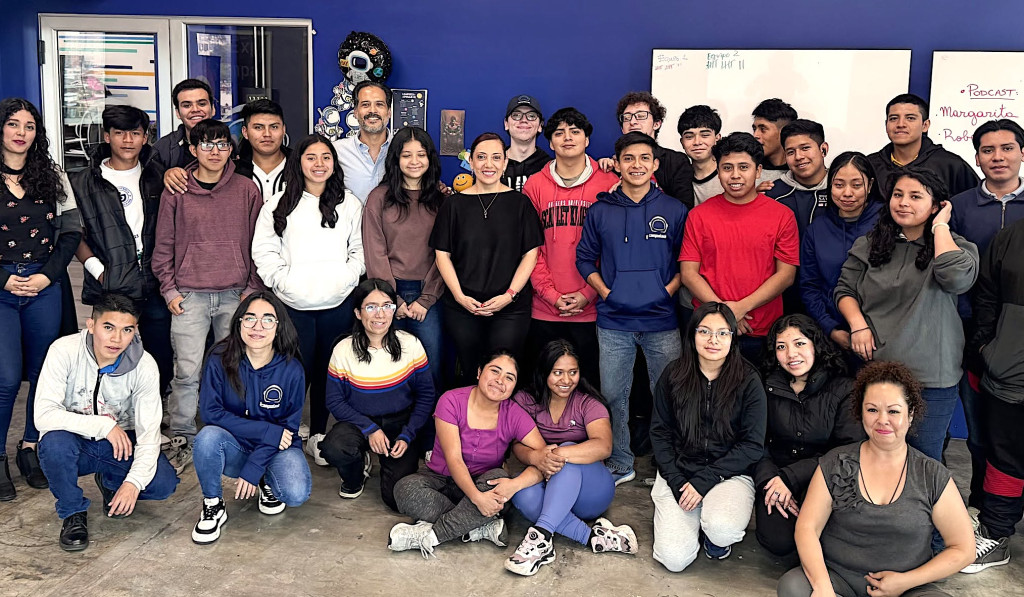
Photo credit Campuslands
This focus on controlling information is particularly relevant in Guatemala and across Central America, which today faces a significant paradox: a massive talent gap in AI literacy, technology training, and advanced programming for its new generation of tech workers. The median age in Guatemala is just 25—a powerful, young demographic—yet these emerging professionals have yet to develop the crucial communication and contextual skills, like proper grammar and sentence forming, that AI requires for maximum utility.
This systemic educational hurdle is what makes the corporate success of the breakout session collide so dramatically with the work being done at Campuslands, an intensive bootcamp and educational tenant within the Tec ecosystem. Campuslands provides immersive, in-person training, preparing local youth in programming, English, artificial intelligence, and professional soft skills through practical learning, discipline, and mentorship.

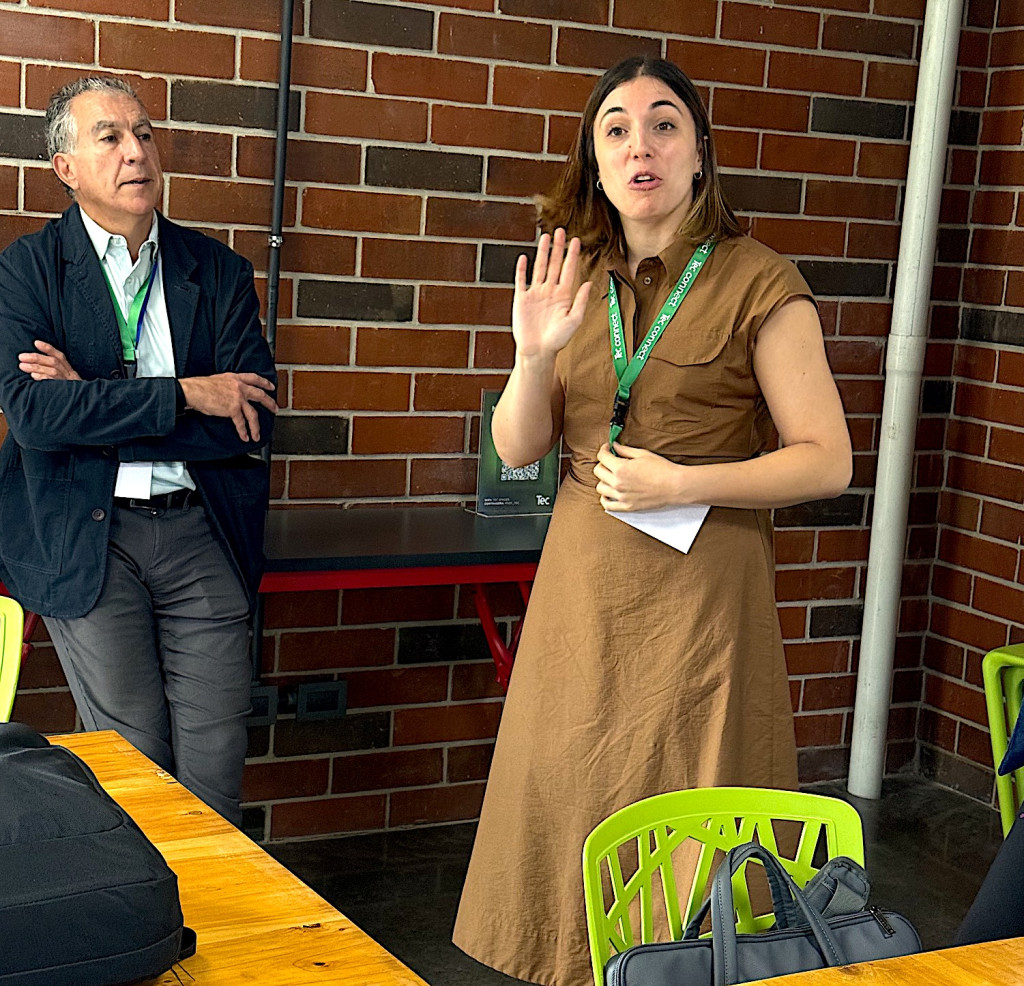
Bianca Amico Rousselle, a project specialist and trainer at Campuslands, shed light on the realities these students are overcoming to seize their opportunities. “While our mission is clear, the reality is another,” Amico Rousselle shared, in a quote that fundamentally shifts the perspective of the entire tech ecosystem. “Oftentimes we deal with youth as students from very challenging homes. Some of them show up with bruises and very tough lives, yet they are responsible, and they understand that change is needed in their behavior, and change can only come with education.”
This stark reality anchors the high-level corporate synergies in something profoundly human. Campus Tec stands as much more than a commercial nexus; it is a vital catalyst for Guatemalan youth eager to engineer their own rise. By bridging the gap between sophisticated international enterprise and grassroots tech literacy, the “Silicon Valley with Frijoles” is proving that innovation isn’t a passive act of importing technology, but an active, shared creation. For bilingual, bicultural professionals in the US, the message is undeniable: Central America is innovating, the talent is hungry, the region is fully open for business, and it is time to connect with their ideas.
Related posts:
 Chicago International Salsa Congress 2026 Fuego Candela Gusto
 Ascending the Fires of Legends: My Epic Hike up Acatenango and Fuego
 Beyond the $11 Billion Flex: Why Web3 is the Real Amplifier for Indie Artists
 The Shark Whisperer of Providencia: A Conversation with Dive Master Instructor Felipe Cabeza